PROMOTING UNDERSTANDING, RESPECT, AND ENJOYMENT OF BIRDS AND THE NATURAL WORLD THROUGH EDUCATION, HABITAT PROTECTION, AND ENVIRONMENTAL ADVOCACY.
Home
NEWS FROM LCAS
MAY 2024 PROGRAM
PEAK Students Share Their Learning Adventure

Tues. May 14, 2024 – Program begins 7:00PM
Montana WILD, 2668 Broadwater Ave.
FREE – All Are Welcome
Helena students will share highlights of their Costa Rica environmental education adventure. Students in the PEAK Gifted and Talented Program participated in the Sea Turtle Ecology Course led by Ecology Project International. They hiked in the coastal and highland rainforests where they were thrilled to encounter some species they will present, including an Eyelash Viper, Poison Dart Frogs, the Jesus Christ Lizard, Mantled Howler Monkeys, and Montezuma Oropendola, a raucous colony-nesting bird. Some of the PEAK students stayed home during spring break and will share their research into species native to Montana and other places. Read more…
Reminder–Don’t forget Nature Park Clean-up on May 16, 2024
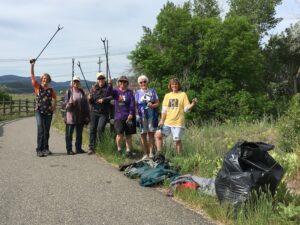
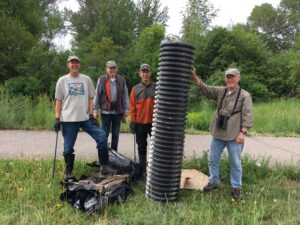 LCAS is planning a Clean-up Day at Nature Park on Thursday, May 16, 2024. Bring your work gloves, sturdy shoes, sunhat, sunscreen, water to drink, and get ready to haul garbage out of the creek bed. The work begins at 9:00 a.m., but if you arrive earlier (7:30 am), Bob Martinka will help us look for warblers and other birds returning from their winter home before we get dirty. The City Maintenance folks will give us the industrial strength black garbage bags to fill, and then pick-up all of the trash after we finish. Let us know if you can lend a hand by emailing Janice at: jan2854@gmail.com No limit as to the number of participants. NOTE: This website previously posted the date of the cleanup as May 19. But May 16 is the new, correct date!
Reminder when recreating on state lands in Montana
Audubon members venturing out onto public lands this spring and summer need to be aware of the law that went into effect last year which requires persons 12 and older to purchase a Conservation License when accessing most state lands. Please go to the Fish, Wildlife and Parks link below for more information or to purchase a Conservation License. Thank you!
https://fwp.mt.gov/buyandapply/conservation-license
PRACTICING ETHICAL BIRDING
Ethical Birding: As some of you are aware, periodically a ‘Rare Bird’ is sighted nearby, or some distance from Helena and attracts a lot of attention.
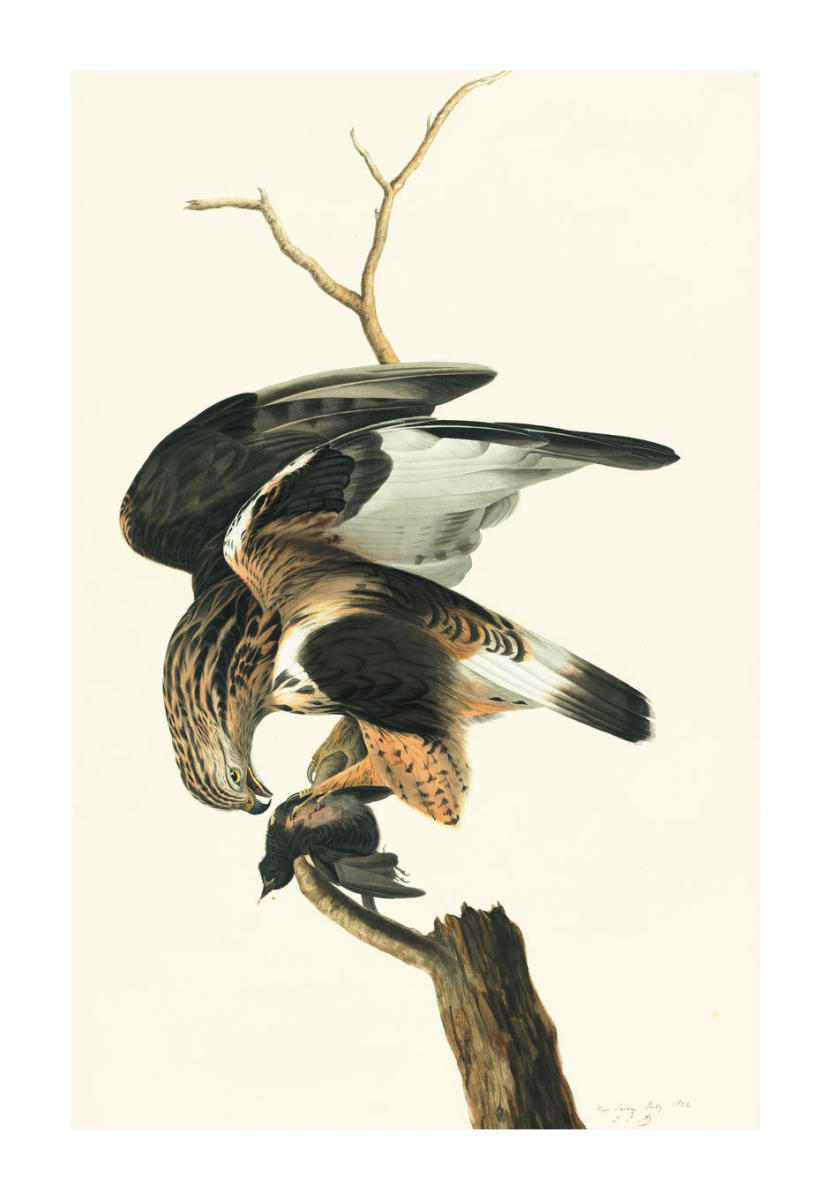
Cornell’s eBird program has designated several “sensitive species” in order to prevent birders and photographers from simultaneously flocking to an area to see them. The rationale for this designation is to protect these species from unnecessary stress due to disturbance. Even the most well-intentioned individual can inadvertently cause birds to become stressed without realizing it. A good local example is driving on the flats east of Helena, spotting a Prairie Falcon or Rough-legged Hawk on a power pole, and stopping close to the pole to take a photo which flushes the bird from its perch causing unneeded wintertime stress.
In addition, eBird and social media posts regarding the location of sensitive species can also lead to illegal trapping or taking of some species. Thus birders should always exercise caution when creating posts, or commenting on social media outlets regarding these birds and their locations. For sensitive species, such as Great Gray Owls and American Goshawks, eBird automatically hides the location information. If you include a sensitive species in an eBird checklist please consider using a general geographic location such as a county name.
A link from eBird discussing the nature of ‘Sensitive Species’ is included below. It defines protocols and practices for observing and reporting these birds. If you are planning to try to locate a known bird that meets the “sensitive” species definition, refer to the eBird Sensitive Species protocol, along with the ABA Birding Code of Ethics, before heading out.
Remember – ALL birds are susceptible to stress, so birds depend on us to practice good birding behavior in the field. Thanks for giving the birds a break.
The ABA Birding Code of Ethics: Practice and promote respectful, enjoyable, and thoughtful birding as defined in this code.
- Respect and promote birds and their environment.
- Respect and promote the birding community and its individual members.
- Respect and promote the law and the rights of others. Birding should be fun and help build a better future for birds, for birders, and for all people.
In brief: Sensitive Species in eBird are those for which demonstrable harm could occur from public display of site-level records, including (but not limited to):
targeted capture for the caged-bird trade;targeted hunting;targeted disturbance of nests, roosts, or individual birds from birdwatchers or photographers.
Let’s all practice good birding ethics. Helpful links: https://www.aba.org/aba-code-of-birding-ethics/
https://support.ebird.org/en/support/solutions/articles/48000803210-sensitive-species-in-ebird
— Bob Martinka, Last Chance Audubon Society Board Member
CHRISTMAS BIRD COUNT RESULTS ARE IN!
The Last Chance Audubon Christmas Bird Count was held on December 16. We had 55 participants find 68 species with a total of 9247 individual birds! We also had our 147th species added this year with Sora. Common Grackle was also an unusual sighting, seen for only the fourth time. See all the results here.
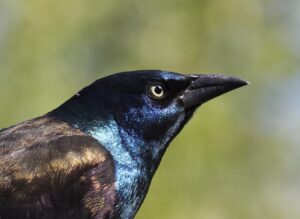
LAST CHANCE AUDUBON SCHOLARSHIP ANNOUNCEMENT
We are excited to announce the application process for the 2023-2024 High School Scholarship. This helps college students pay for expenses while pursuing studies in conservation, habitat protection, and/or restoration of value to avian and other wildlife species. To apply, please visit the Last Chance Audubon scholarship homepage.
BEASLEY TRAIL DEDICATION
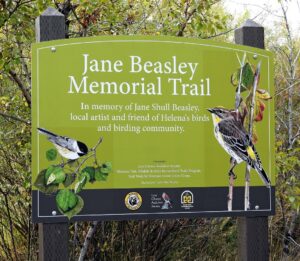 On Sunday September 12, 2021, LCAS dedicated a new trail at Spring Meadow Lake State Park. The trail was officially named the Jane Beasley Memorial Trail and is complete with decomposed granite foundation, weed remediation and signage. This project was a collaborative effort by LCAS, Montana Department of Fish, Wildlife & Parks and Montana Conservation Corps. The dedication hosted a variety of speakers and a hike along the new trail. Members of the Shull/Beasley family were on hand for a sign unveiling. Read more…
Support LCAS Through a Membership or Donation Today!
New Membership and Renewals – Please click the Membership link below.

To donate to Last Chance Audubon please click on the Donate Now link below

Check out LCAS on FaceBook!